
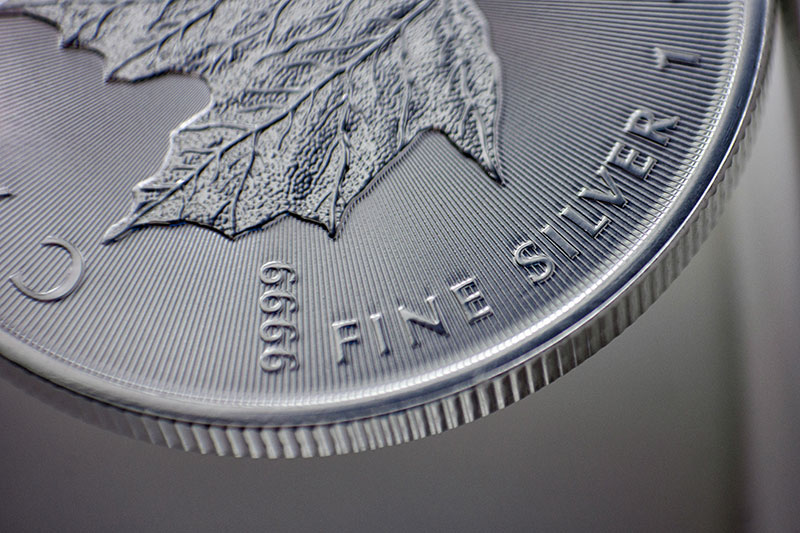
Argentina is considered the only country in the world named after a metal. The name is derived from argentum, the Latin word for silver, a legacy of the Spanish explorers who reached South America in the 16th century, hoping to find vast silver treasures there.
While the 2026 World Cup final in New York will pit Spain against Argentina, it’s worth telling the story correctly: The country’s name is a piece of trade history. And, in a sense, the oldest misrepresentation in trade history.
Silver HS Code 7106: The Metal in the Customs Tariff
The haphazard classifications of the 16th century have long since given way to a precise system. In today’s Harmonized System—the international nomenclature used by customs authorities worldwide—silver has a precise classification: HS Code 7106 covers silver, including gold-plated or platinum-plated silver, in raw form or as semi-finished products.
It is listed in Chapter 71, the home of precious metals, gemstones, and pearls, just a few lines away from gold under heading 7108.
Every kilogram of silver that crosses a border today is declared under this code.
Whether you trade in silver, lemons, or soccer balls: Find the correct classification for every product with our HS Code Finder.
Silver HS Code 7106: Top Exporters
ABRAMS.wiki is also a strategic tool for sales representatives, wholesalers, intermediaries, and processors. With just one click, you can see who is selling silver worldwide, in what quantities, and at what price.
Transparency is the first step toward any successful business relationship.
The top 5 countries exporting silver by market share in 2025 are:
- Hong Kong (13.28%)
- United Kingdom (12.43%)
- United States of America (11.92%)
- Mexico (8.00%)
- Switzerland (7.59%)
Find suitable exporters for your products in seconds – using the ABRAMS.wiki supplier search.
Where does the name “Argentina” come from?
When Spanish expeditions reached the vast estuary on South America’s Atlantic coast in the early 16th century, they were driven by rumors of a land full of precious metals. Accordingly, they named the great river Río de la Plata: “Silver River.” The Latin word argentum later became the name of the surrounding country: Argentina, literally “Land of Silver.”
So the name was not a description. It was a prediction, a declaration of the riches the newcomers expected to find.
The Silver That Lay Elsewhere
And here comes the twist that makes this story remarkable for anyone in the trading world: The forecast was wrong. The legendary silver deposits that fired the imagination of the conquistadors were not located in the Pampas around the Río de la Plata. The great colonial silver mountain was Potosí, in the highlands of what is now Bolivia. The Silver River bore the metal’s name long before it carried any significant quantities of it.
A country named after a commodity that wasn’t there: With a wink, one could call Argentina the oldest misnomer in trade history.
And there’s another irony: Today, Argentina has indeed become a significant silver-producing country; centuries after it was named, its geology is finally living up to its name.
Soccer ends. Trade continues.
The final whistle determines the winner on the field.
In global trade, there is no final whistle.
A look at trade relationships reveals that behind every everyday product lies a much larger global story.
Discover HS Code 7106 and its exporters and importers on ABRAMS.wiki.
Take the opportunity ➜ Schedule a live demo!


